Pavers & Hardscape SAN DIEGO
Shape the Ground You Live On
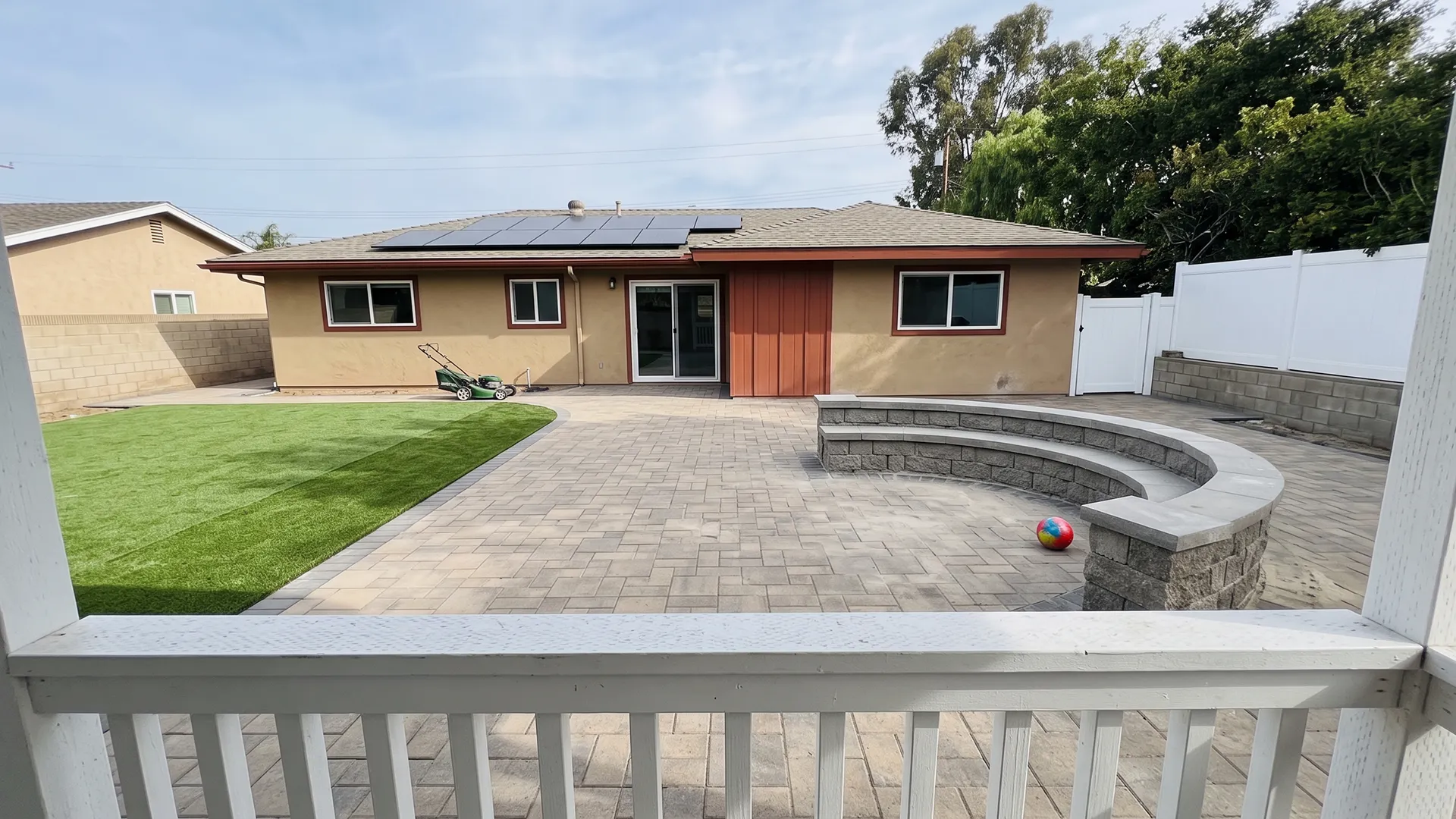
Patios, walkways, steps, seat walls and poolside surfaces in paver and stone, set on a base built to hold.
ER-100 · Pavers and Hardscape
Floor of the Whole Property
Hardscape is every hard surface outside the house. Patios, paths, steps, seat walls and the surface around a pool. It is what you stand on, and it is usually the largest single line in a yard budget.
Pavers fail from the bottom up, not the top down. Sunken corners, lifted edges and open joints are base problems wearing through to the surface.
We build the base to depth, compact it in lifts and restrain the edges. Then the pattern goes down.
ER-200 · What We Build
Everything Hardscape Covers
One surface or every hard surface on the property.
01
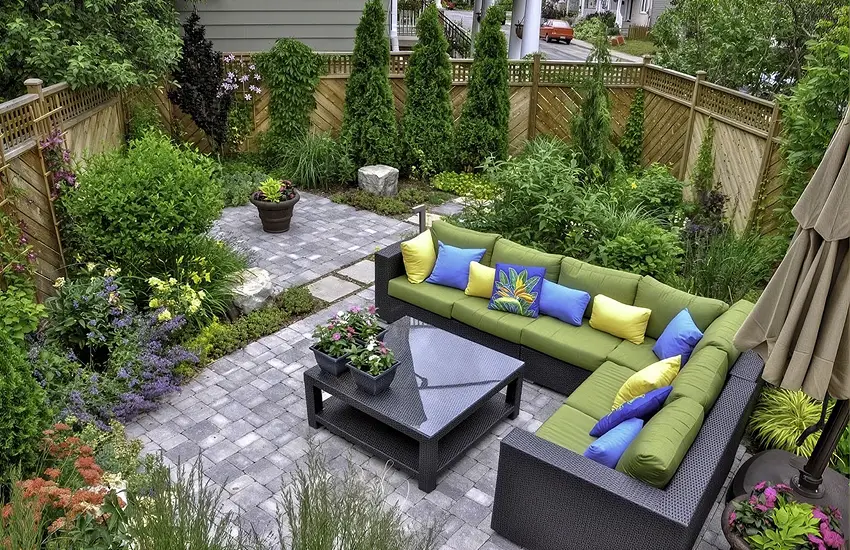
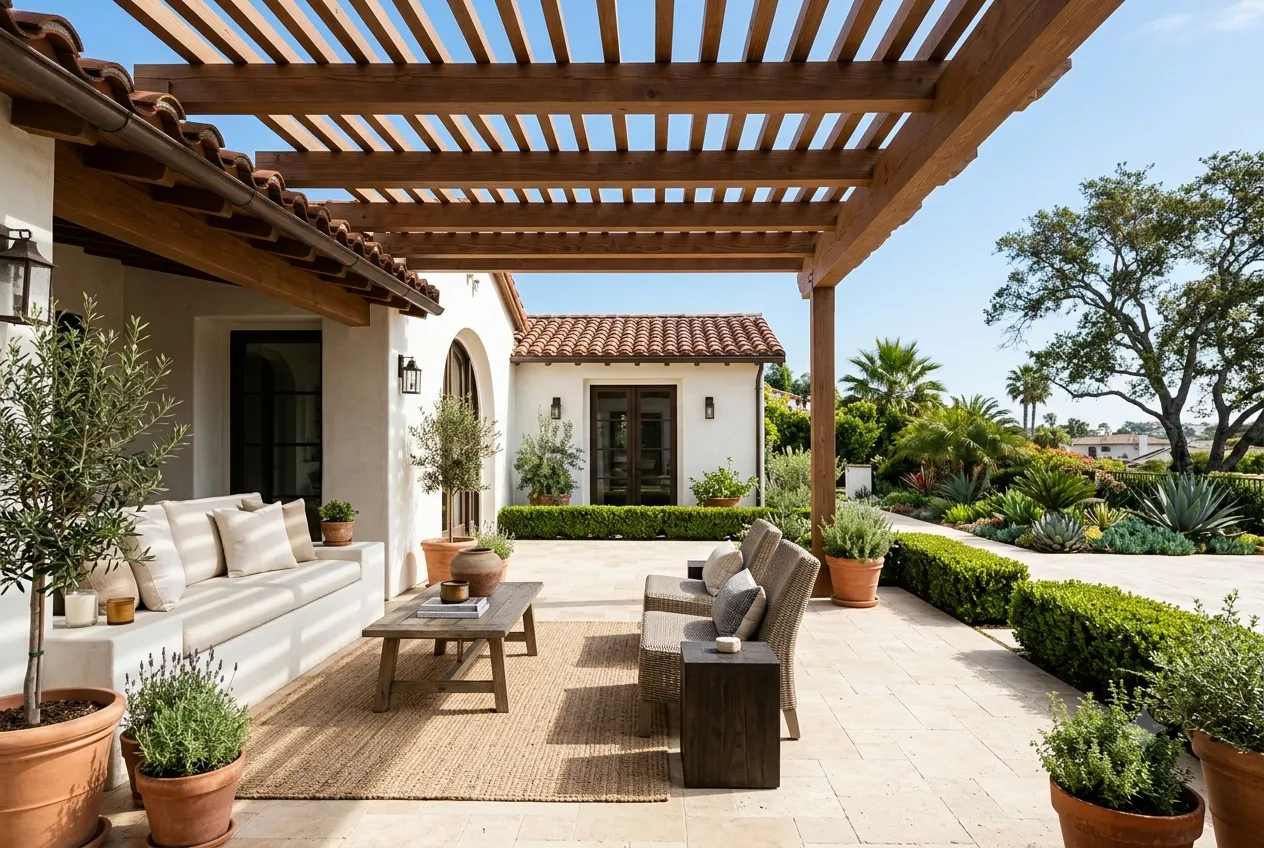
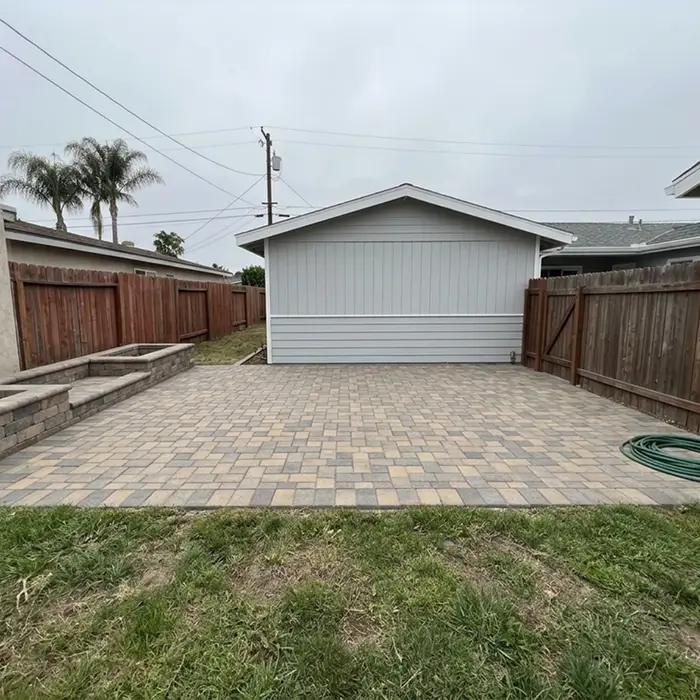
Paver patios sized and shaped around how the yard actually gets used.
02
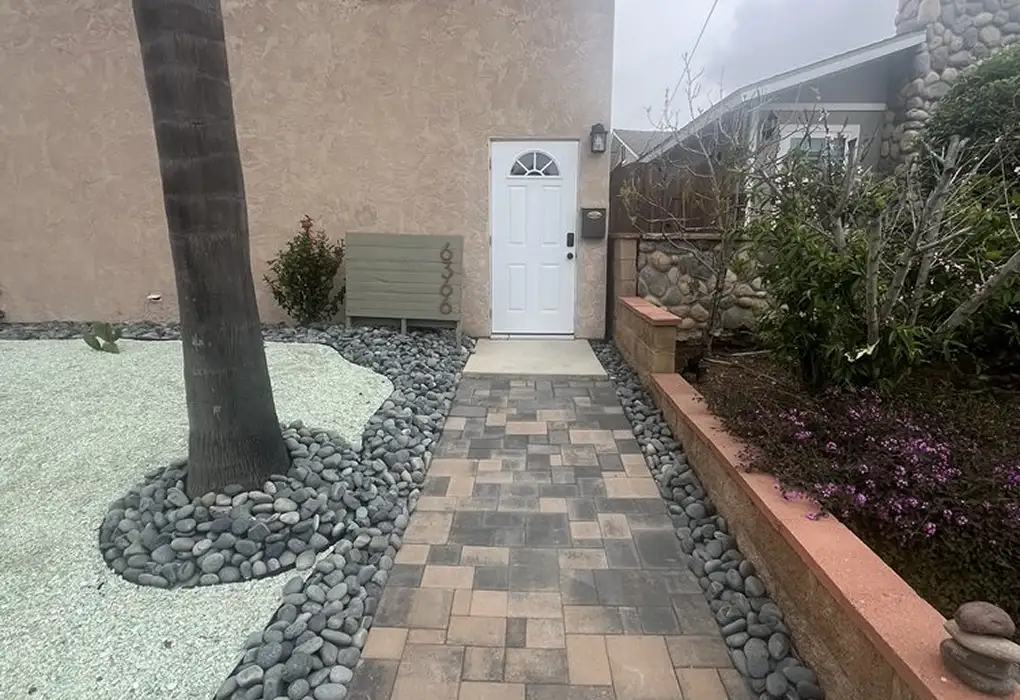
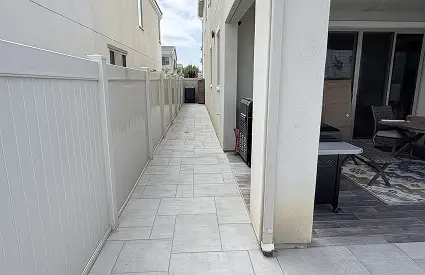
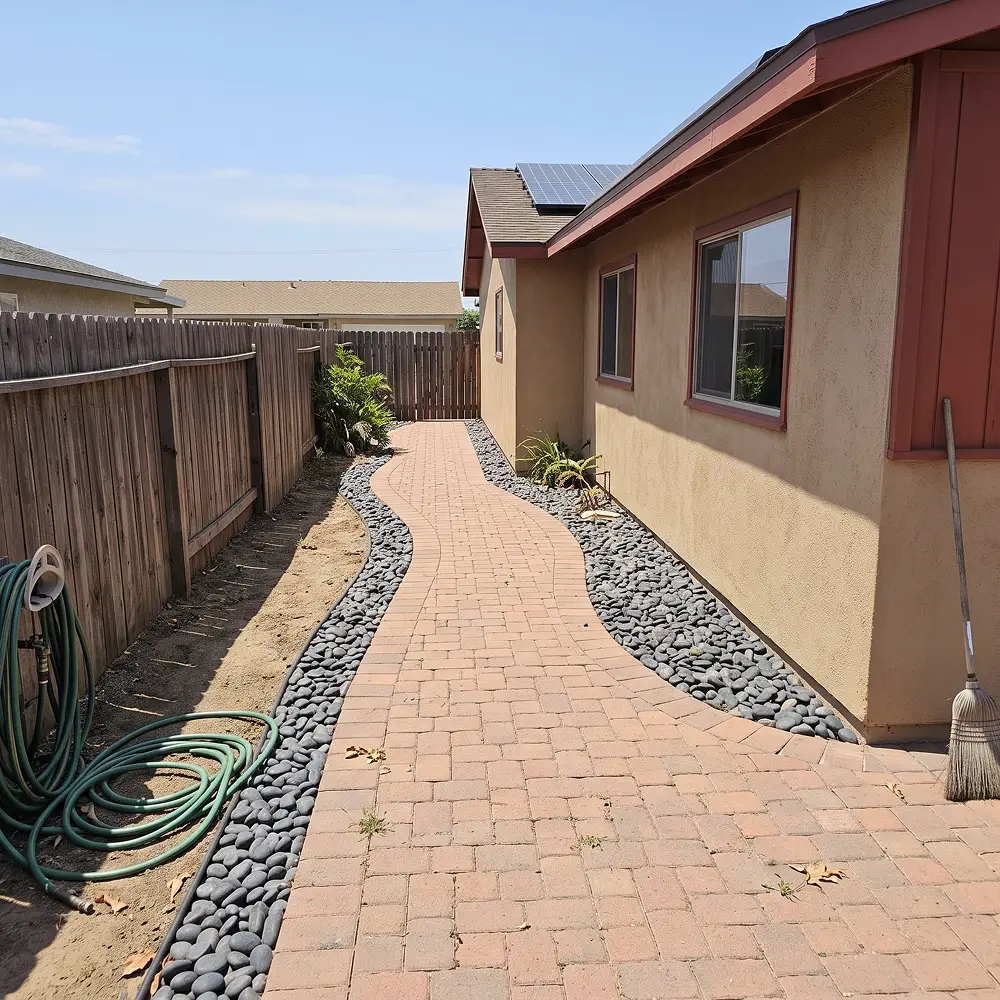
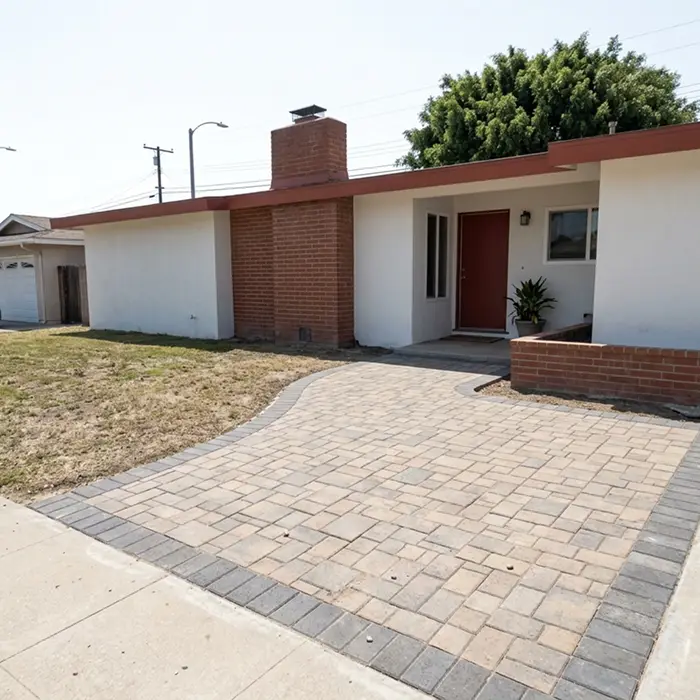
Paths and side yard walkways laid for safe footing and correct runoff.
03
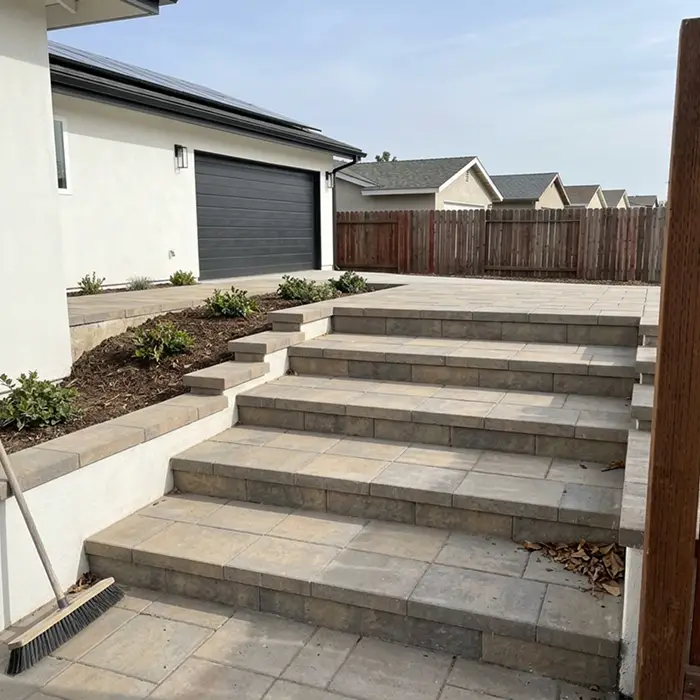
Paver and stone steps with consistent riser heights, built into the grade.
04
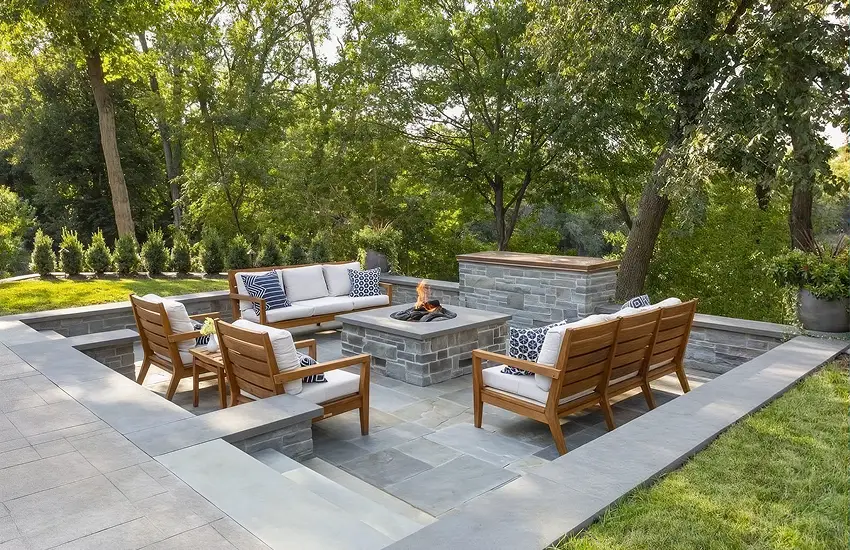
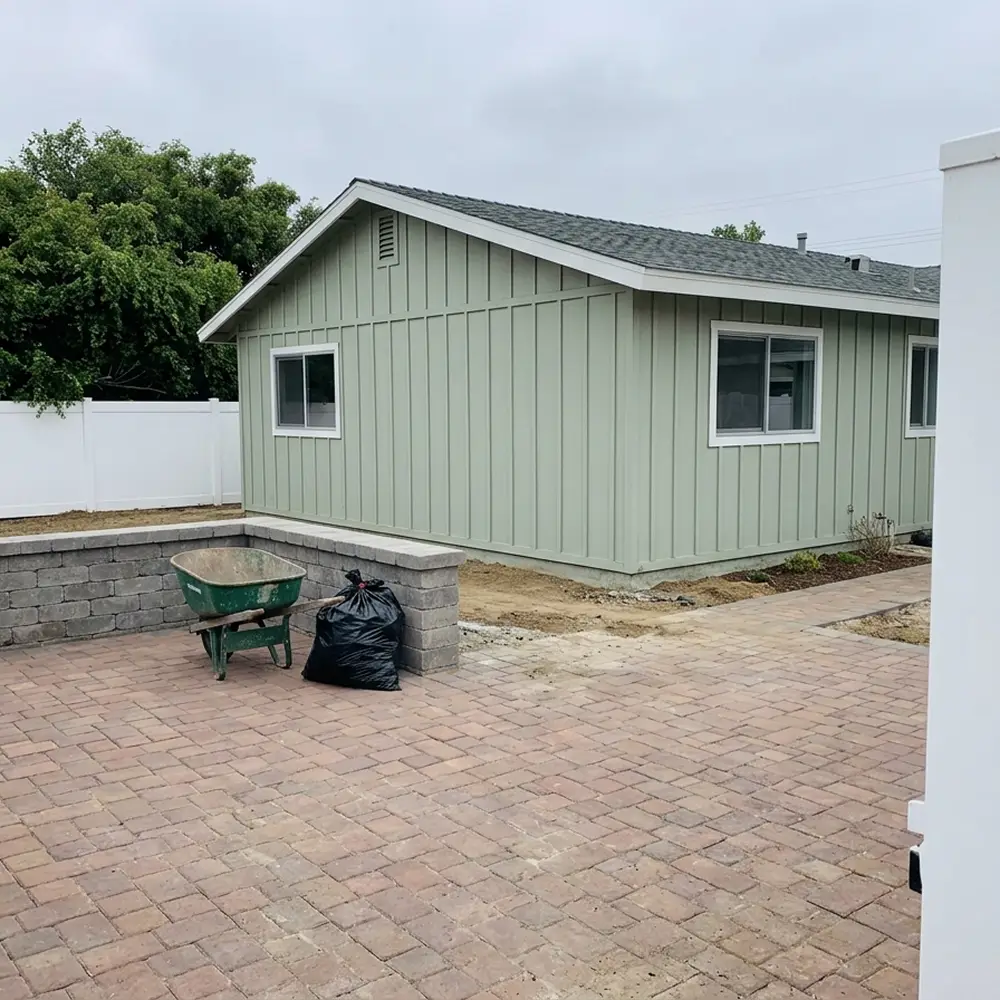
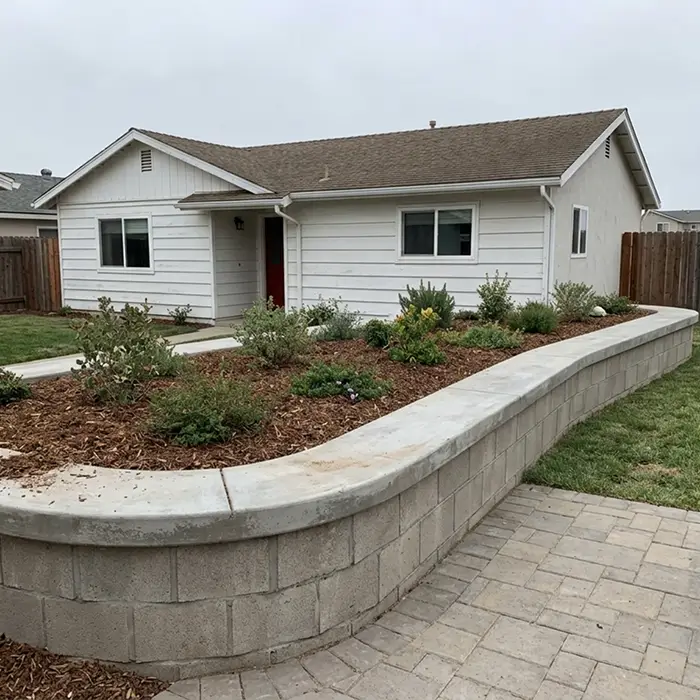
Low walls that add seating and edge a patio without closing the space in.
05
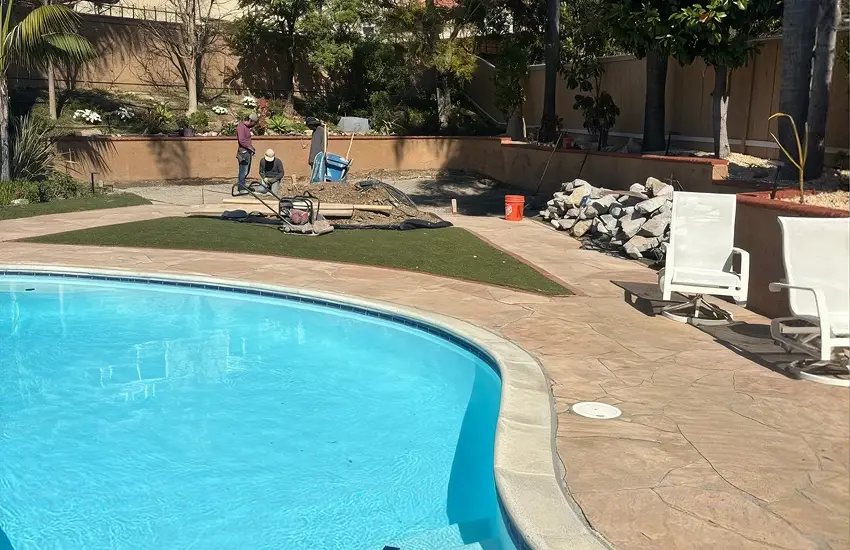
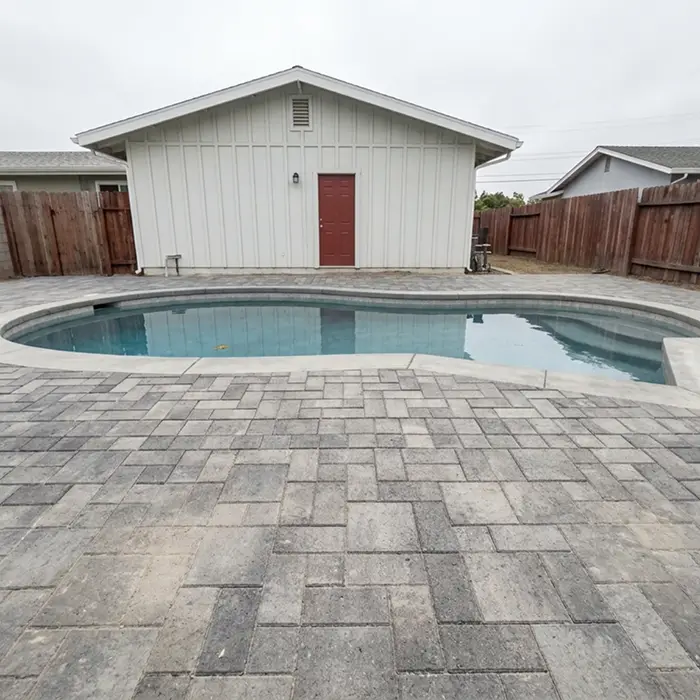
Pool surrounds in paver and stone, chosen for slip resistance and cool underfoot.
06
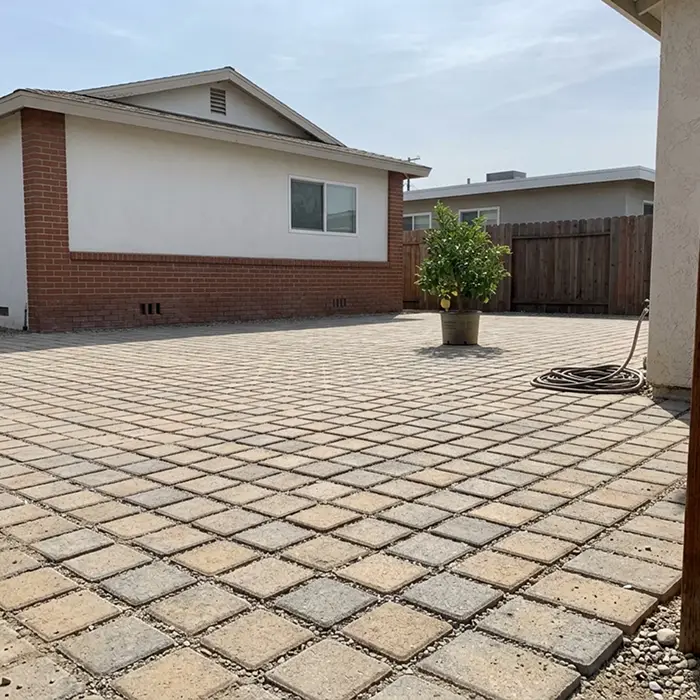
Open jointed systems that let stormwater through instead of sending it to the street.
07
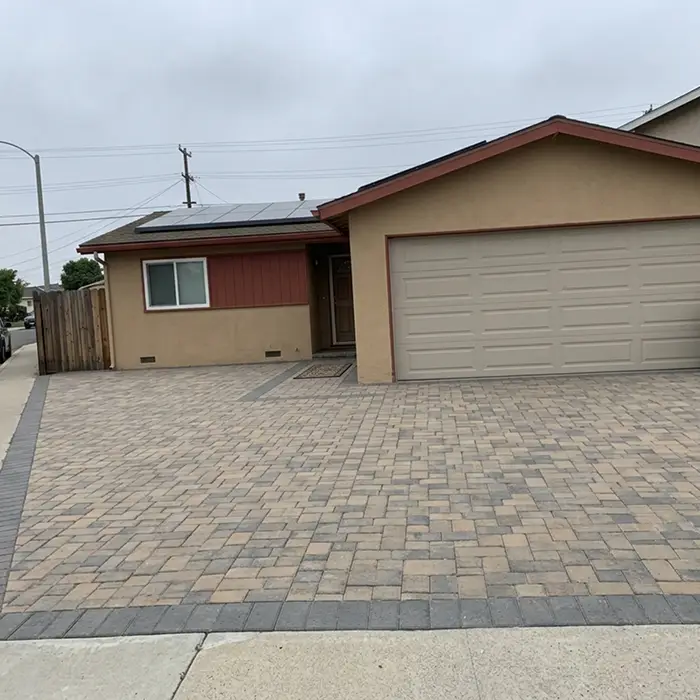
Driveways carry vehicle loads and a deeper base. That build lives on its own page.
08
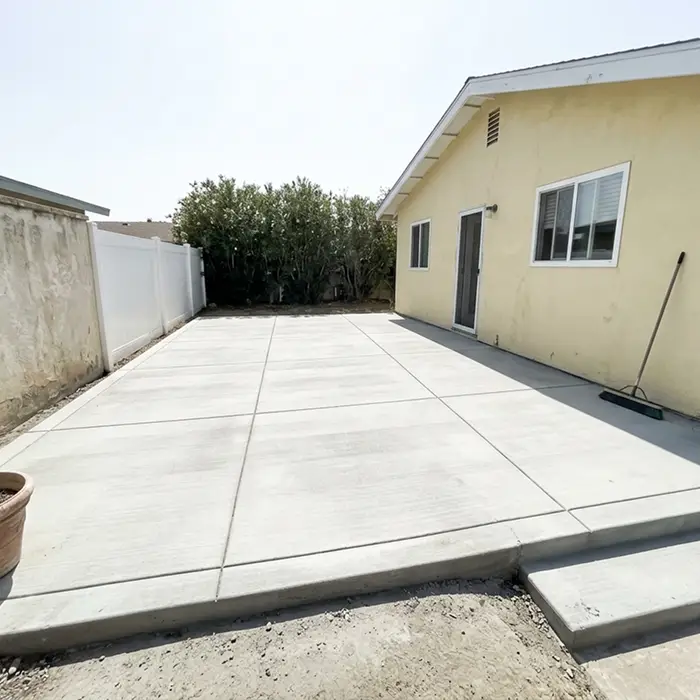
Comparing pavers against a poured or stamped concrete slab? Start here.
Material Types
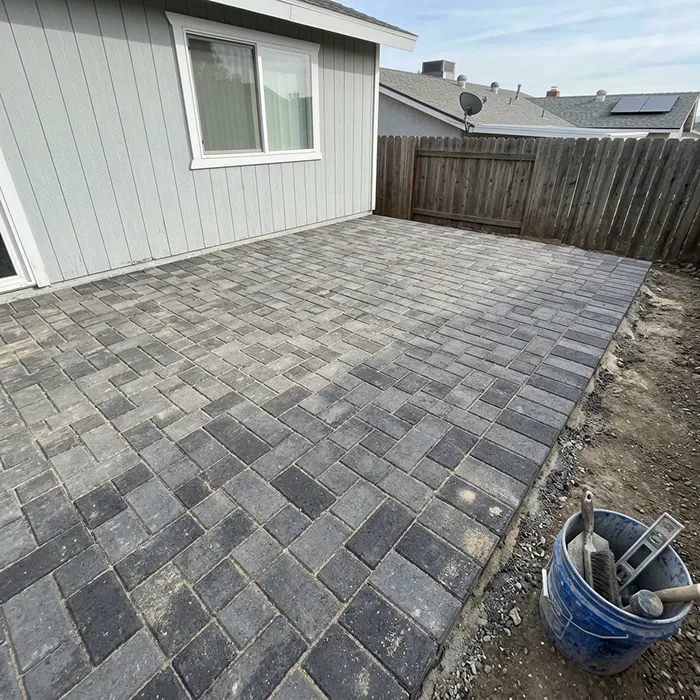
Concrete Pavers
The workhorse. Widest colour and format range, replaceable one unit at a time.
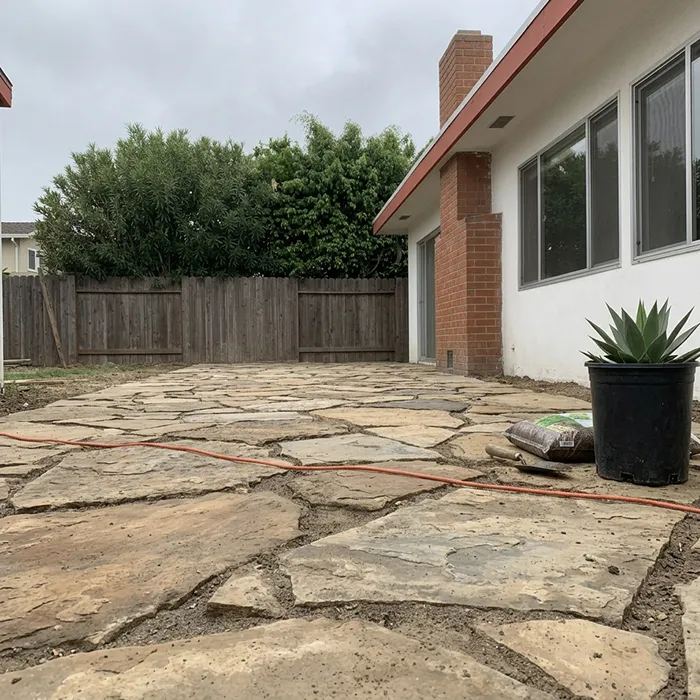
Natural Stone
Flagstone and cut stone for a softer, less uniform surface with more variation.
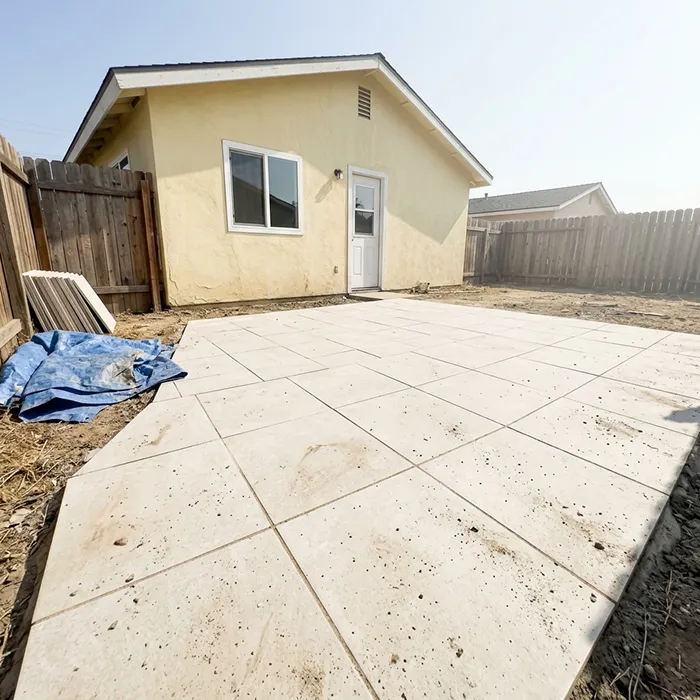
Porcelain Pavers
Dimensionally exact, stain resistant and stays cooler than dark concrete in full sun.
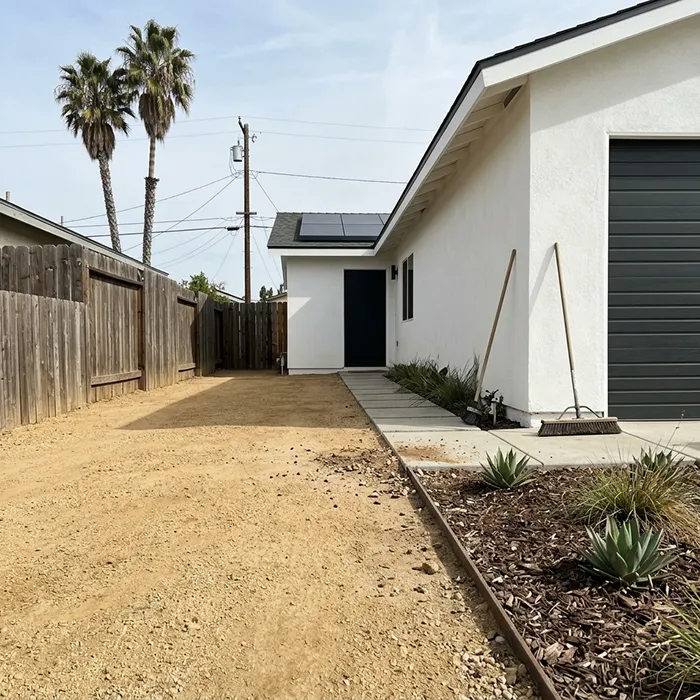
Decomposed Granite
Loose surface for informal paths and planting edges, at the lowest cost per foot.
ER-300 · How We Build
Why Paver Surfaces Fail
D-01 · The Base
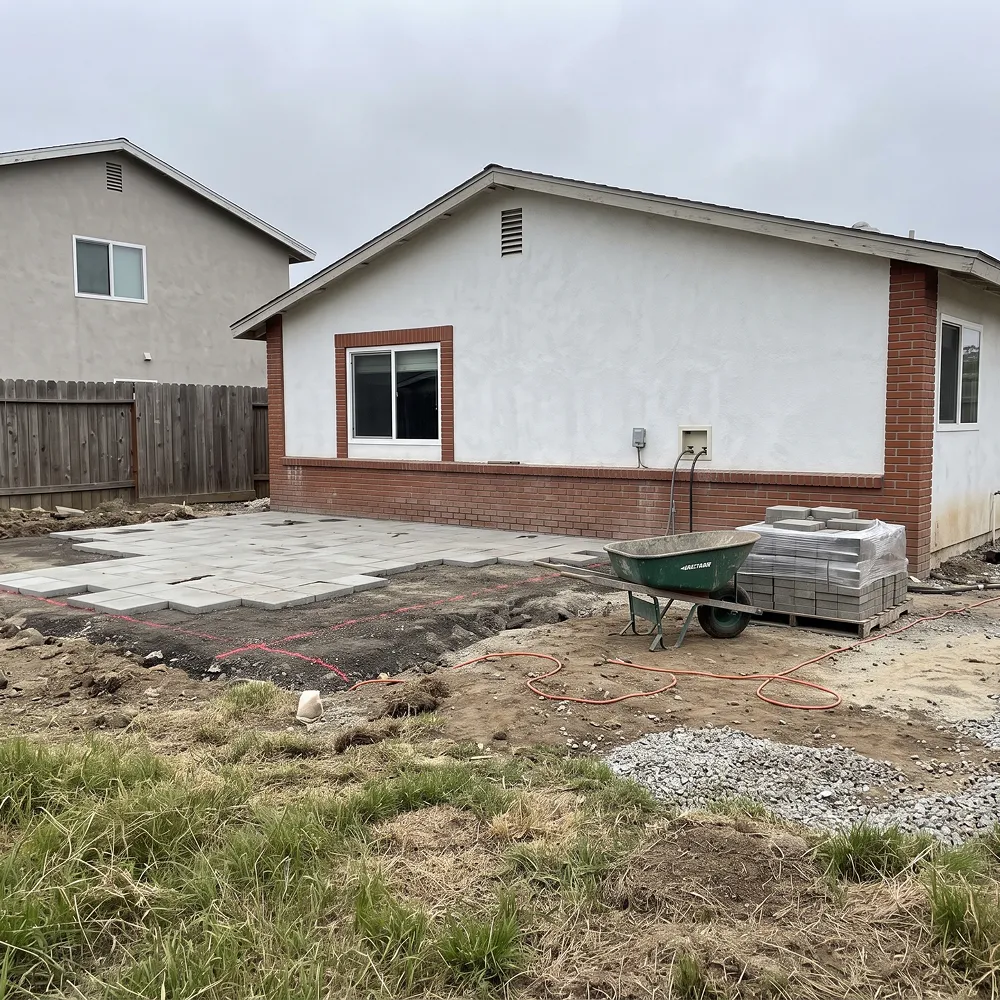
The Base Is the Job
Excavate to depth, lay aggregate base and compact it in layers rather than all at once, then screed a bedding course. Edge restraint holds the perimeter, because a paver field is only as stable as the row at its edge.
D-02 · Water and Soil
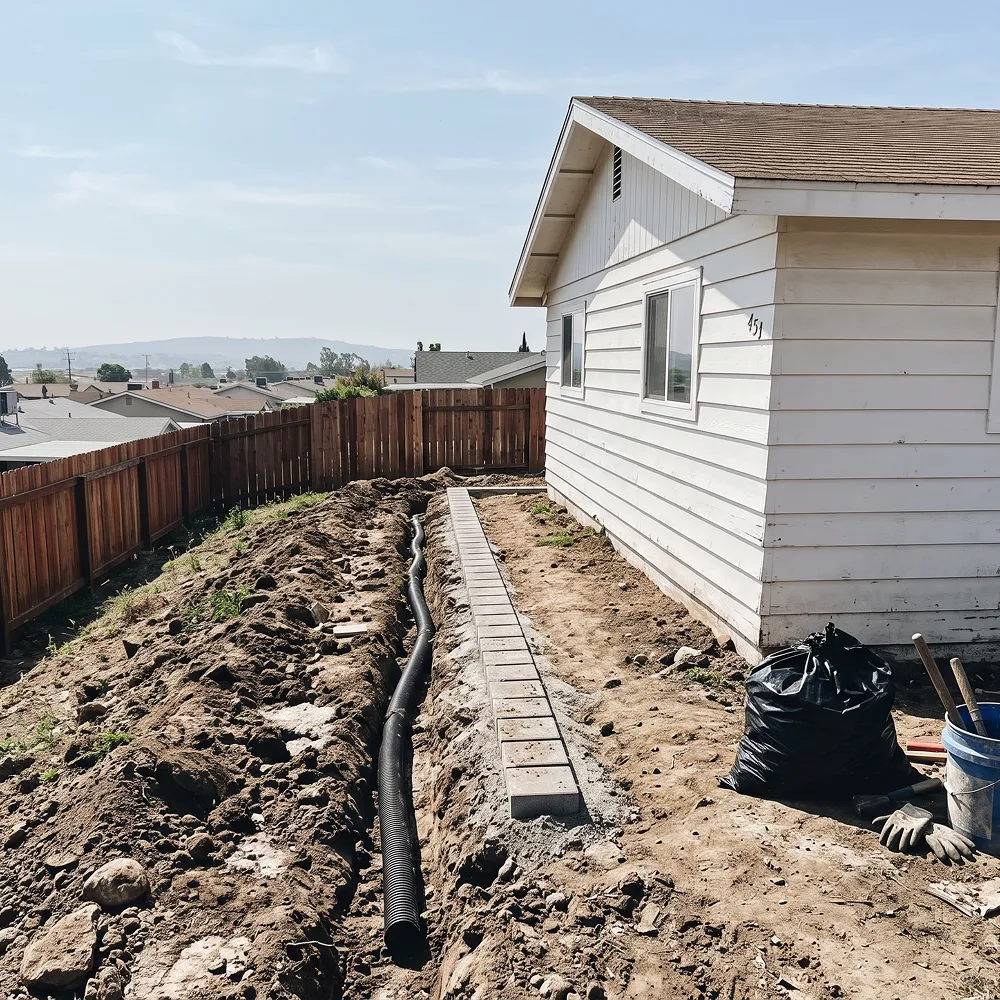
San Diego Soil Moves
Much of the county sits on expansive clay that swells and shrinks with the wet season. Surfaces get pitched to drain away from the house, and permeable systems let stormwater through the joints instead of pushing it toward a neighbor.
D-03 · Material Choice
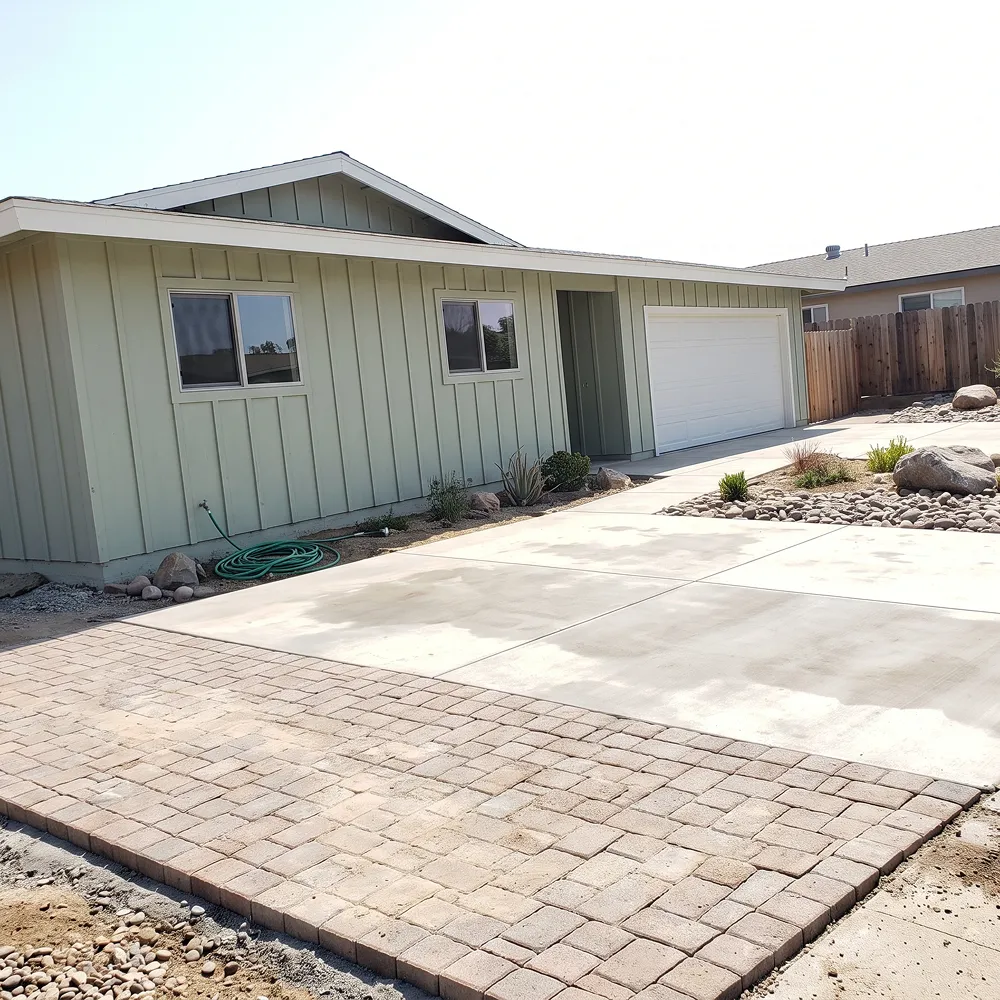
Pavers or Poured Concrete
Concrete costs less to install and cracks in a straight line. Pavers cost more and flex with movement, and a stained unit lifts out and gets replaced. We will tell you which one your project actually wants.
Tell us about your SPACE
Share your project and goals below. Our team reviews every inquiry and follows up within one business day to schedule your design consultation.
- Call (858) 264-0358
- Email office@kanbuildersinc.com
- Studio 4883 Ronson Court, Suite S, San Diego, CA 92111
To save your data, the contact form loads on request.
ER-400 · See It First
See Your Pavers & Hardscape Before We Build It
ER-500 · Recent Work
Outdoor Living, Designed & Built
ER-600 · Costing Matters
What Paver and Hardscape Work Costs
Hardscape prices by the square foot, and six things move that number.
Area & Layout
Square footage sets the baseline. Curves, borders and tight cuts add labour per foot.
Paver Type
Concrete pavers, natural stone and porcelain sit at three distinct price points.
Base & Excavation
Depth of excavation and volume of aggregate, driven by soil and what the surface carries.
Demolition & Haul Away
Removing an existing slab or surface, and the tonnage that leaves the site.
Site Access & Slope
Whether machinery reaches the work area, or material is barrowed through a side gate.
Walls, Steps & Edging
Vertical work prices separately from flat work and costs several times more per foot.
Every hardscape estimate is built from a measured plan with base depth and material specified, not from a square foot average. Flat work, vertical work and demolition are itemized separately.
ER-700 · CLIENT REVIEWS
TRUSTED BY SAN DIEGO
They handled design, permits, and the build without us chasing anyone. The kitchen finished on the timeline they gave us in week one.
The renderings meant we knew exactly what we were getting. What we walked into on the final day looked just like the drawings.
Our project manager sent updates every single week. After the stories we heard from neighbors, this felt genuinely different.
ER-800 · COMMON QUESTIONS
Pavers and Hardscape, Answered
How much does a paver patio cost in San Diego?
Material and base depth drive most of it. Concrete pavers on a standard patio base sit at the low end; natural stone and porcelain are higher, and anything with walls, steps or heavy cutting is higher again. Demolition of an existing slab adds cost before a single new paver is laid. We price from a measured plan with the base specified.
How long does a paver installation take?
A straightforward patio or walkway is usually three to seven days on site. Larger projects combining flat work, steps and seat walls generally run two to three weeks. Excavation and compaction take the first stretch of any job, which is the part that looks like nothing is happening and matters most.
Are pavers better than concrete?
Different, rather than better. Concrete is cheaper to install and will eventually crack, and a repair is visible. Pavers cost more up front, flex with ground movement instead of cracking, and any damaged unit lifts out and gets replaced. Pavers also give you pattern and color range that poured concrete cannot match.
Will my pavers sink or shift over time?
Not if the base is right. Settling, lifted edges and rocking units almost always trace back to shallow excavation, base compacted in one pass rather than in lifts or missing edge restraint. That is why our estimates state base depth, and why we would rather lose a bid than match a quote that skips it.
What about weeds and joint sand?
Joints get filled with polymeric sand, which knits together and resists both washout and weed growth. Some joint refresh is normal maintenance every few years, particularly on surfaces that get pressure washed. Weeds in a paver field grow from seed landing on top, not up from underneath a properly built base.
Do I need a permit for hardscape?
Usually not for a patio, path or low seat wall at grade. Permits generally come into play with retaining walls above a set height, work in the public right-of-way, and anything that changes drainage across a property line. We confirm before starting and pull what is needed.
KAN BuildersStart the Conversation
Build With a Team That Draws First
Send one photo of the space and a rough idea of the area. We will measure it, draw the layout and price it honestly.